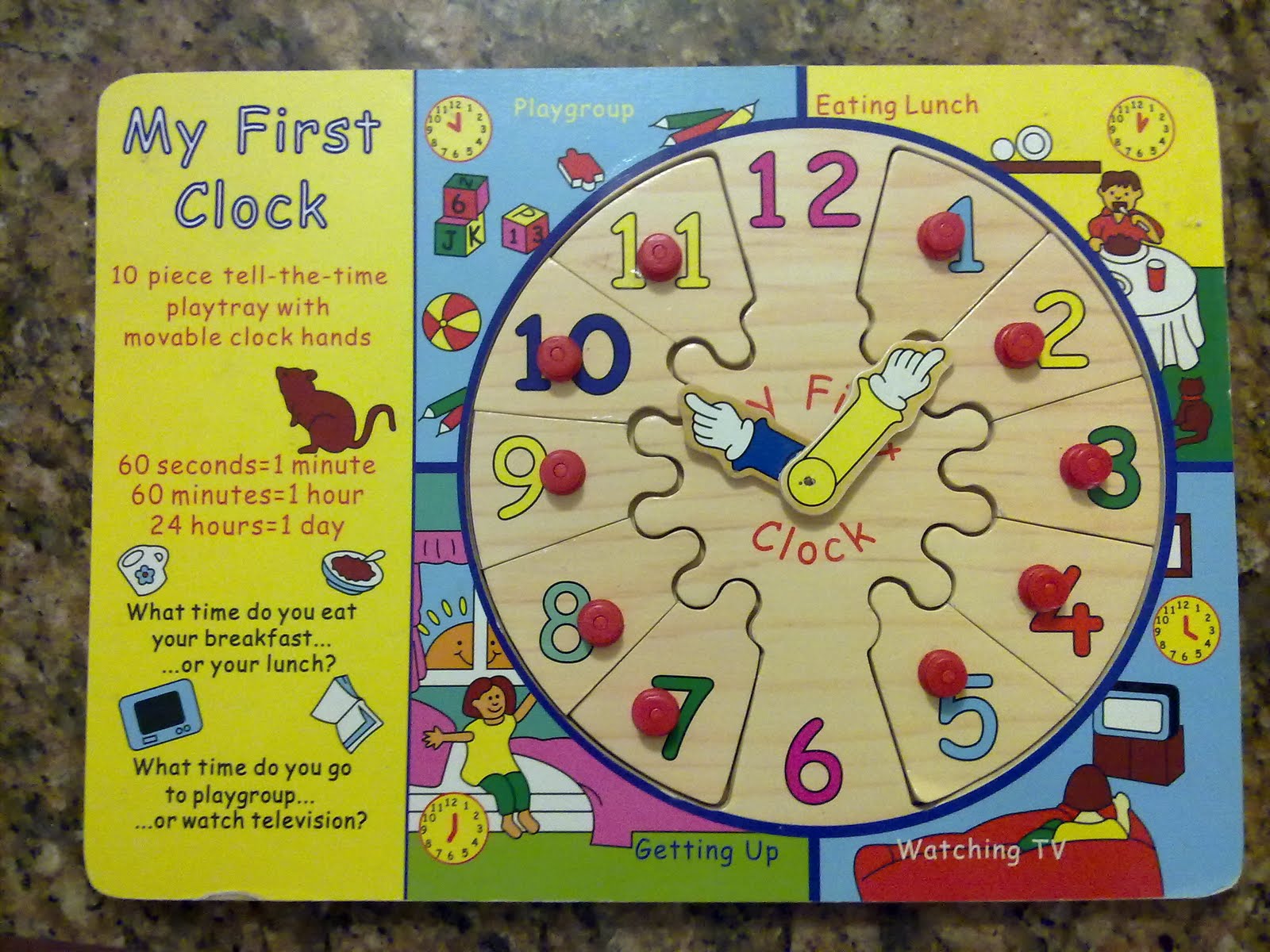
Mr Sociable will be starting prep next year. To help get him ready for that 'school' environment, I've recently started to include some structured "learning time" in our day. He thinks it's really fun - most of the learning is game-based - and he loves having one-on-one attention from Mummy while Mr Fun is asleep.
When preschoolers are learning about numbers, there are two skills to master - counting and identifying numbers.
Counting aloud
Practise counting forwards to 10 (this is the expectation for kids beginning kindy - that they can count to 10). If they have mastered that & are looking for a new challenge, practise counting to 20, or backwards from 10. Don't be surprised if they consistently leave out a particular number (eg. Mr Sociable always forgets 15). Just keep practising - they will get it eventually!
1, 2, 3, go!
Suggestions for making counting fun:
* counting in different voices (eg. cranky voice, loud voice, soft voice, singing voice, etc)
* counting to a beat (eg. drums)
* counting while jumping, skipping, walking, etc
* counting in anticipation (eg. count to 10, then Mummy swings you in the air)
* counting how long it takes to complete a task (eg. can you put on your shoes before I count to 20?)
Counting objects
When kids are first starting to count, they often don't recognise that the numbers they are saying can correspond to objects. To help them see this correspondence, encourage them to point to objects & count in an ordered way (eg. along a line) or move the objects as they count, so that they know where they are up to.
Making counting fun:
* count out food items (eg. you can have 10 sultanas. Ask child to count them out & make sure there are 10?)
* play with stamps on paper (eg. can you stamp me 8 butterflies? Ask child to count them & check there are 8)
* count number of toys (eg. how many toys do you think we could fit on the chair? Fill up the chair with toys & then count how many there are)
Identifying numbers
The other early number skill is recognising numbers in written format. You can begin by teaching numbers 1-5. Then introduce 6-10. Then 10-15, etc. Again, this learning can be lots of fun. Here are some suggestions:
* number jump - use a foam number playmat on the floor, or write the numbers outside with chalk. Ask your child to jump on the numbers as you call them out (eg. jump on 5, jump on 8, jump on 2, etc)
* number puzzles - these are relatively cheap to buy, or you can make your own. The main thing is that the child needs to match the numerals up (so that they put the 2 on the 2, the 3 on the 3 etc). Talk about the numbers as you do the puzzle. Show them how the numbers are in order. Point to each number and count them.
* magnet play - play with number magnets on the fridge. Ask your child to find particular numbers (eg. can you find me the 4? can you find me the 2?). Practise ordering the numbers - count from 1 up to a certain number & ask what would come next? (at this age, they will generally need to start counting from 1)
* racing car game - download
this file. Print out the cars and laminate or attach to cardboard. Cut out the cars. Only use numbers appropriate to your child's stage of learning (1-5, or 1-10), then increase as your child's knowledge increases. Ask your child to find particular cars (can you find car 5? can you find car 10?). Practise lining the cars up in order, then ask them to point to particular numbers (how quickly can you point to 1? how quickly can you point to 5?). Kids in my class used to love having races (I would print out 2 sets of cards & they would race to see who could get them into order first).
Games involving counting and identifying numbers
* Butterfly match. Print out
this template for the game. Laminate the pages, or stick onto cardboard. Cut out the butterflies. Lay the number cards out in order. Put the dot cards in a pile. Take turns to turn over a dot card and count the number of dots (practise counting in an orderly way, along the line). Match up the dot card with the number card.
* Hairy faces. Draw a large face for each player. Make a set of cards with numbers 1-10 (or 11-20). Put the numbers cards in a pile, face-down. The first player turns over one of the cards and reads the number. They then add that number of paddle pop sticks or pieces of string to the face as hair. The second player does the same. Focus on identifying the number, then counting out the correct number of "hairs" (extension of this activity is to ask - which head has more hair?).